Product FAQ

The whole idea of having this system is to produce as and when required to avoid vagaries . However the SANITISER liquid produced will last for a week (if stored in dark place in air tight container) after which it may start depleting.
Related products:
Open this FAQ

 No that’s the advantage of having this system as we can produce on demand exactly the required concentration for use thus avoiding higher concentration. At concentration of within 200PPM its not hazardous.

Open this FAQ

 Generally, the effectiveness of the bleach powder decreases beyond 24 hours of manufacturing, in case of continuous requirements transporting bleach from manufacturers will not be efficient and cost effective. And its easy to produce on demand using our generators.

Open this FAQ

 Hypochlorous acid is divided into hydrochloric acid (HCl) and oxygen (O). The oxygen atom is a very strong oxidator. Sodium hypochlorite is effective against bacteria, viruses and fungi.

Related products:
Open this FAQ
Investigations have shown sodium hypochlorite to be an effective disinfectant having broad applications. Although a number of other disinfectants have been investigated, sodium hypochlorite appears to offer the best mix of low cost, ease of use, safety, and effectiveness in areas where there is enough water and water is not excessively turbid.
Related products:
Open this FAQ

 70% percent of alcohol is ideal to a stronger solution. Pure alcohol coagulates protein in contact. If 70 percent of alcohol is poured to a single celled organism, the diluted alcohol also coagulates the protein, but at a slower rate, so that it penetrates all the way through the cell before coagulation can block it.

 
Open this FAQ

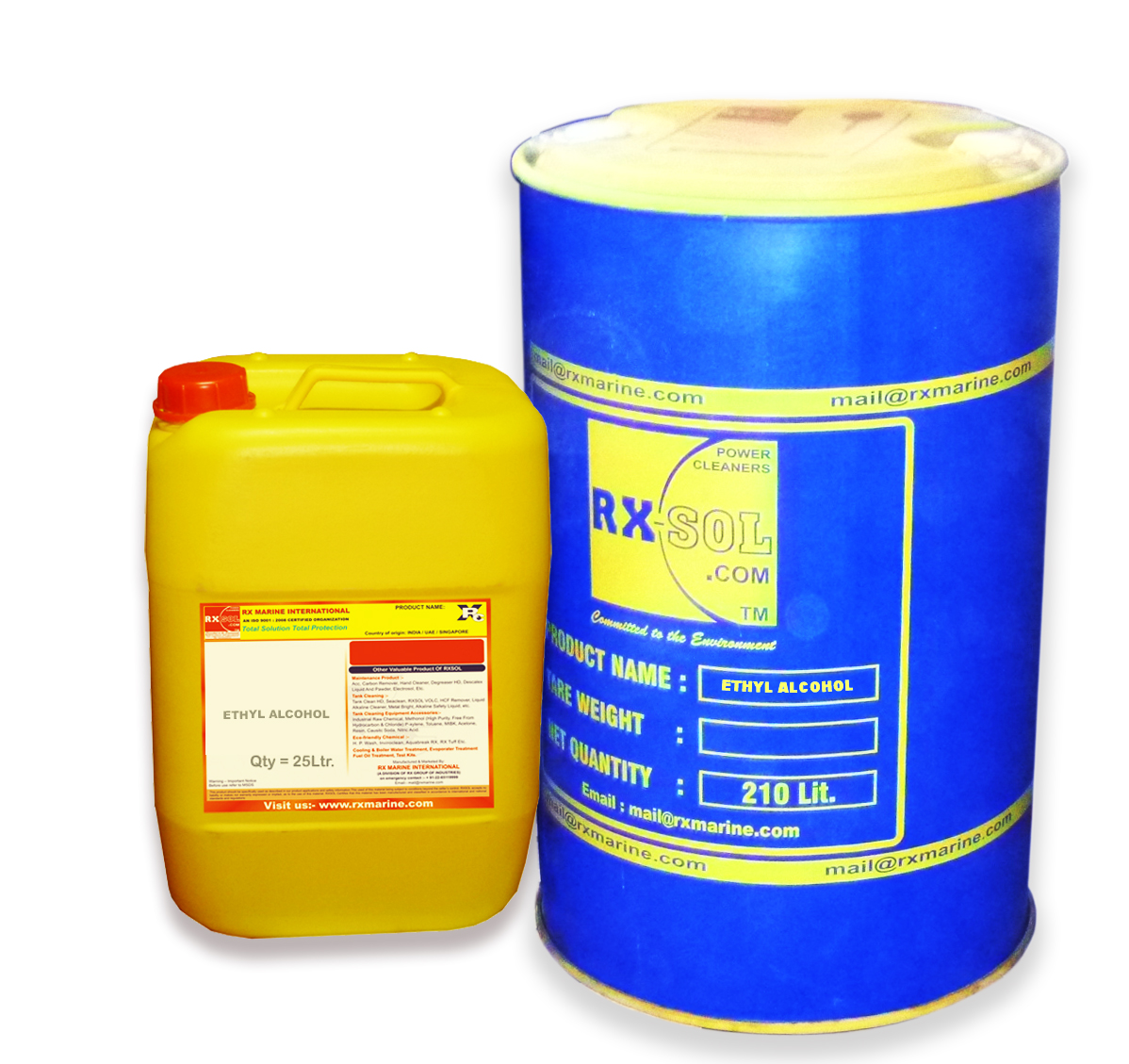
Even though Ethanol is commonly used it is a dangerous chemical. Ethanol is consumed when drinking alcoholic beverages, BUT CONSUMING ETHANOL ALONE CAN CAUSE COMA AND DEATH. We only supply DENATURED ETHANOL which is not consumable as it is mixed with other ingriedients thus making it NON CONSUMABLE.

Related products:
Open this FAQ

A Simple Test to separate Ethanol and its unwantingly added water is to add POTASSIUM CARBONATE to separatethem out. This offers a very small potassium carbonate impurity to the alcohol that can be removed by distillation. This method is very useful in purification of ethanol by distillation, as ethanol forms an azeotrope with water.

Open this FAQ

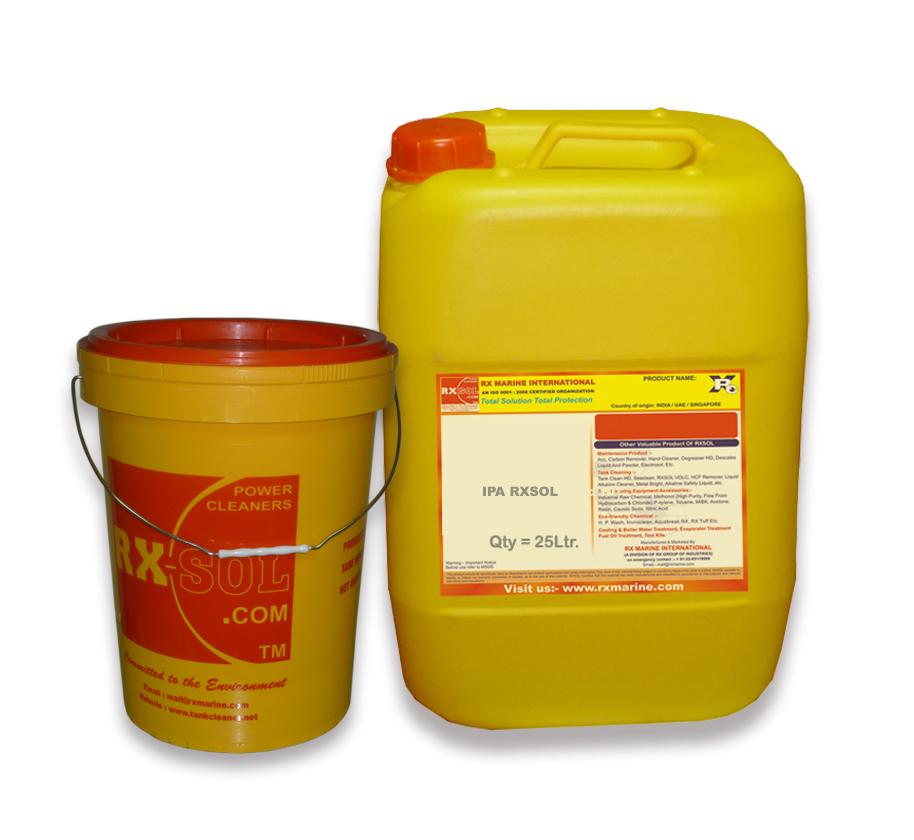
 The major types of alcohol: ETHANOL, PROPANOL, IPA(ISOPROPYL ALCOHOL) AND METHANOL all have their own characteristic flame color which are observed during their combustion.

ETHANOL burns with a BLUE FLAME but METHANOL also burns with A PALE BLUE FLAME but THE MAJOR DIFFERENCE is that METHANOL'S FLAME IS INVISIBLE

ISOPROPYL ALCOHOL is YELLOW in color whereas PROPANOL is COLORLESS

Related products:
Products
Open this FAQ

Ethanol is an alcohol with which burns with a blue flame and without smoke. But the main question that arises in your mind is how to find out its purity chemically. So, here we are going to tell you the most easy and accurate steps which have also been performed by RX MARINE INTERNATIONAL in our labs:

 1) JONES REAGENT: Jones Reagent is a mixture of CHROMIUM TRIOXIDE and SULPHURIC ACID. (AVAILABLE IN HUGE STOCK WITH RXMARINE). THE OBSERVATION YOU SEE ARE AS FOLLOWS:

Related products:
Products
Open this FAQ

What chemical compound causes the bad smell of Ethanol?

Ethanol main source is molasses, sugar cane or any grain. Due to its base characteristic ETHANOL have a smell.

Denatonium benzoate, aldehydes, ketones or sulphur or is used to denature ethanol so that it is not treated as an alcoholic beverage with respect to taxation and sales restrictions. Smell indicates that ethanol has been denatured can't be used for any kinds of edible / drinking purpose. The common name for this chemical, denatonium, alludes to this application.

Related products:
Open this FAQ